Move from concept to a usable first release
Turn the essential journey into a real application that can be tested with users and extended without rebuilding the foundation.
 Botmer International®
Botmer builds cross-platform iOS and Android products around the workflow your users actually need, with the APIs, AI features, testing, and release process required for production.
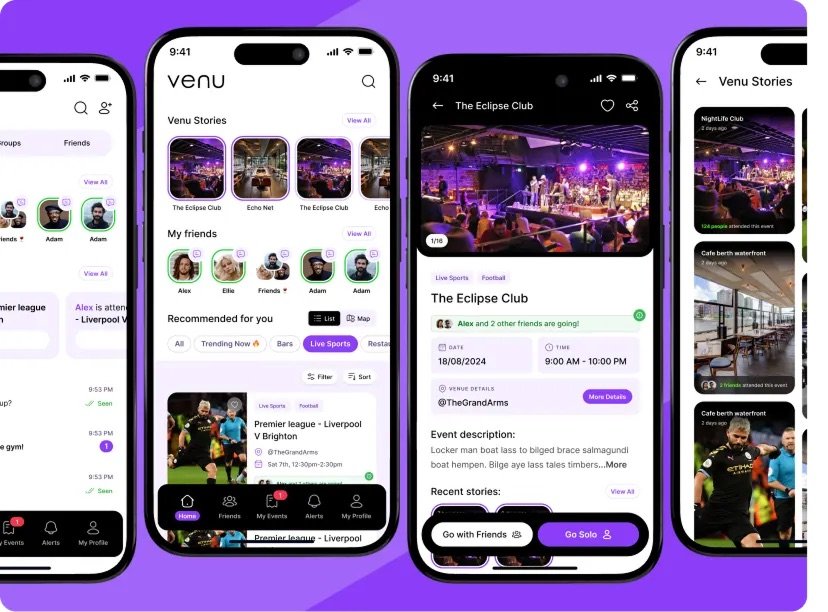
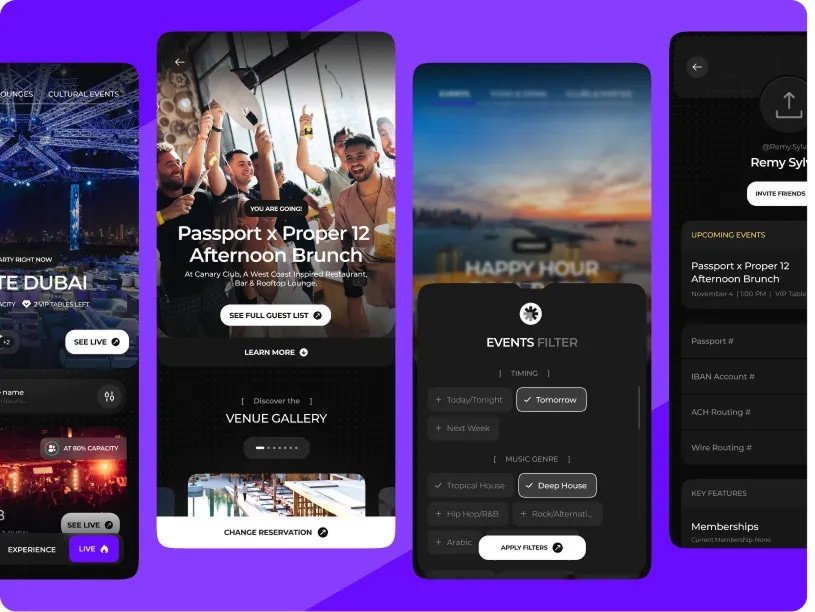
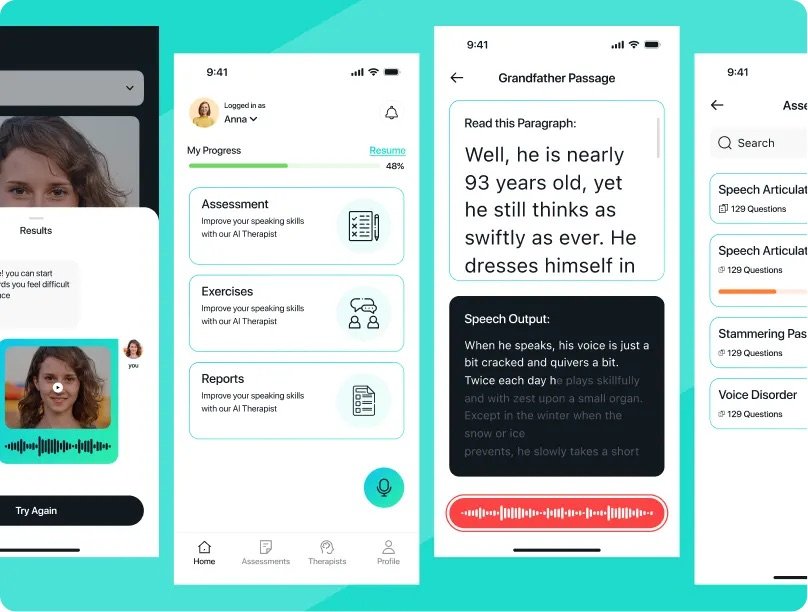 Selected mobile interface work
This service works best when the core user, workflow, and business goal are understood—even if the detailed product specification still needs shaping.
Turn the essential journey into a real application that can be tested with users and extended without rebuilding the foundation.
Audit the current application, protect the useful parts, and improve architecture, performance, release confidence, or maintainability.
Introduce search, assistants, extraction, recommendations, voice, or image workflows with clear fallbacks and product-level controls.
A production mobile product needs more than polished screens. The build includes the engineering surfaces required to test, release, observe, and continue development.
Core journeys, technical constraints, system boundaries, and a practical release sequence aligned before implementation expands.
Typed components, navigation, state management, device integrations, and platform-specific handling where the product requires it.
Secure service integrations and model-backed workflows designed around latency, failure states, data access, and user control.
Automated checks, build workflows, environment configuration, release support, and documentation for ongoing ownership.
The work moves through usable vertical slices so product decisions can be validated before the build becomes expensive to change.
Align on the user, primary workflow, constraints, existing systems, and the first meaningful release.
Build the riskiest journey or integration early and use it to confirm the architecture and product direction.
Complete the product surface, APIs, edge cases, testing, telemetry, and operational controls.
Prepare store builds, support review and rollout, document the system, and plan the next iteration.
“I explained what I wanted, and within a couple of days, I actually had something real in my hands.”

Senior React Native Developer and Full Stack Tech Lead with verified experience across cross-platform mobile, APIs, cloud, and release workflows.
React Native is often a strong fit when iOS and Android share the same product workflows and a startup wants one delivery team. Fully native development can be the better choice when the product depends heavily on platform-specific graphics, background processing, hardware, or deeply native interaction patterns. Botmer evaluates this before recommending an approach.
Yes. The first step is to review the current APIs, authentication, data model, environments, and operational constraints. The mobile application can integrate with that backend, or Botmer can address specific backend gaps as part of an agreed scope.
An AI-native app uses model capabilities inside a useful product workflow rather than adding a disconnected chat box. That can include search, extraction, recommendations, voice, images, or assistants, with permissions, failure states, latency, cost, and human control considered in the product design.
Release support can include build configuration, signing guidance, store-ready assets supplied by the client, submission support, and rollout checks. The client retains ownership of platform accounts and final store approvals remain with Apple and Google.
The answer depends on the number of user roles, product flows, integrations, existing backend readiness, AI complexity, and store requirements. Botmer starts with a focused brief and identifies the smallest release that can validate the product without creating a disposable codebase.
Share the users, workflow, existing systems, and where the uncertainty sits. We will recommend a practical scope and the engineers suited to it.